
What is BMI?
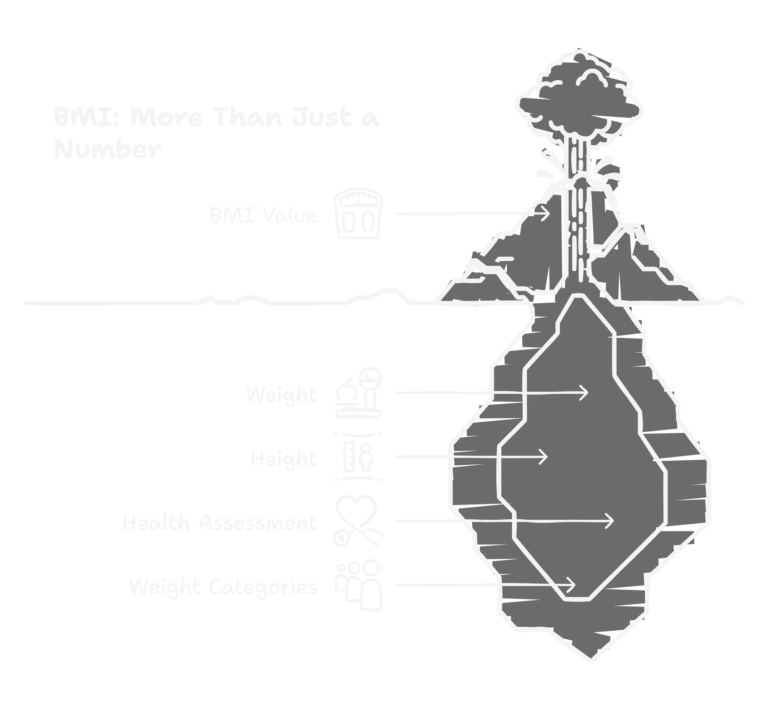
Body Mass Index (BMI) is a simple numeric value derived from a person's weight and height. It was developed in the early 19th century by Belgian mathematician Adolphe Quetelet and has since become the global standard screening tool used by doctors, public health organizations, and researchers worldwide.
BMI does not directly measure body fat, but it provides a fast, cost-free indicator of whether your weight falls within a healthy range for your height — making it one of the most practical first-step assessments in health monitoring.
How to Calculate BMI
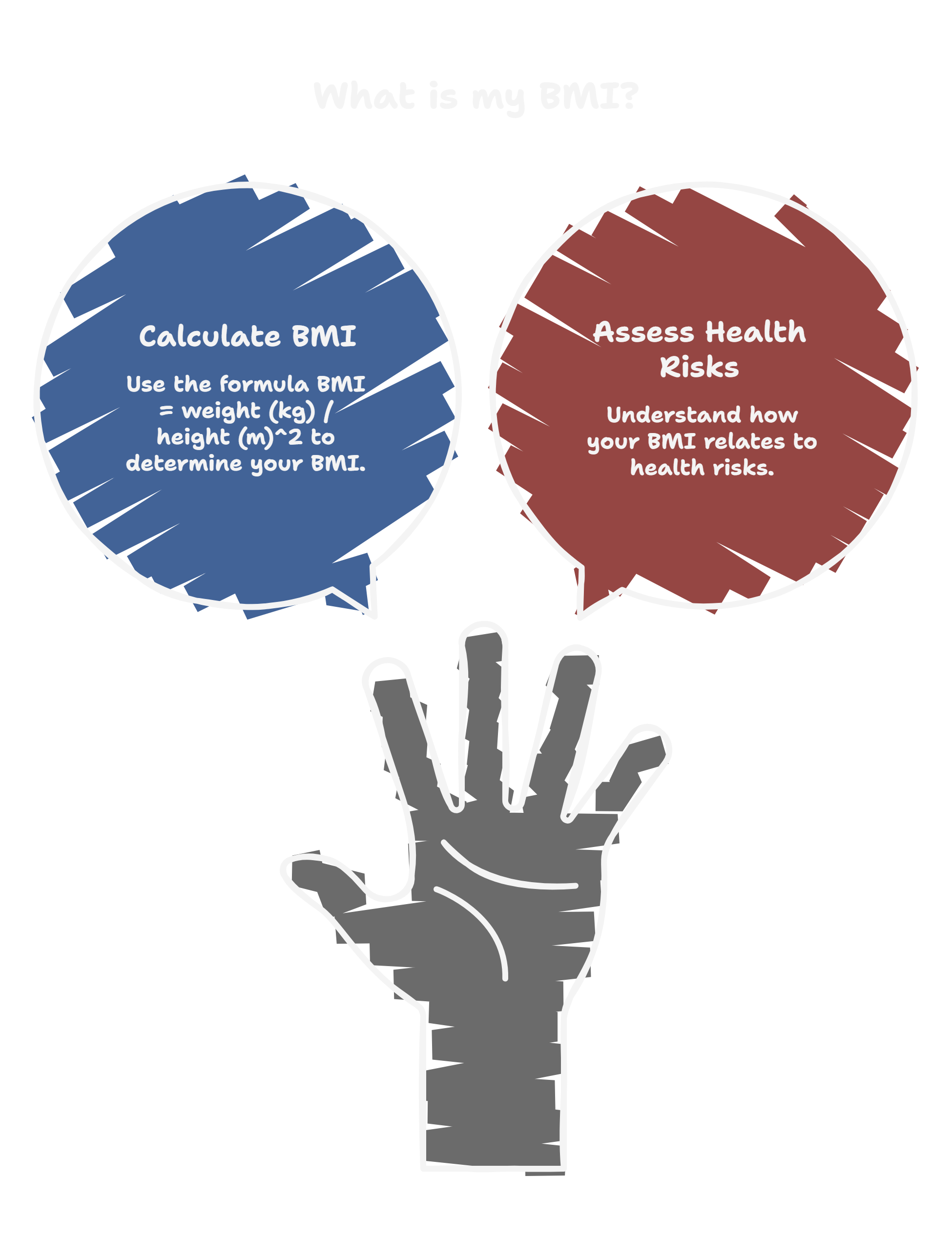
BMI can be calculated using either the metric system (kilograms and centimeters) or the imperial system (pounds and inches). Our BMI Calculator supports both — just enter your numbers and get your result instantly.
Metric Formula (kg & cm)
Imperial Formula (lbs & inches)
Step-by-Step Calculation
- Measure your weight — in kilograms (kg) or pounds (lbs). Use a reliable scale for accuracy.
- Measure your height — in centimeters (cm) or inches. Stand straight against a wall for the most accurate reading.
- Apply the formula — use the metric or imperial formula above depending on your units.
- Check your category — compare your result to the WHO BMI classification table below.
Weight: 70 kg | Height: 175 cm (1.75 m)
BMI = 70 ÷ (1.75 × 1.75) = 70 ÷ 3.0625
BMI ≈ 22.9 → Normal Weight ✓
Weight: 154 lbs | Height: 5'9" (69 inches)
BMI = (154 × 703) ÷ (69 × 69) = 108,262 ÷ 4,761
BMI ≈ 22.7 → Normal Weight ✓
Skip the math — use our free BMI Calculator
Enter your height in cm or inches, weight in kg or lbs, and get your BMI instantly.
BMI Categories (WHO Classification)
The World Health Organization (WHO) defines the following BMI categories for adults aged 20 and above. These apply regardless of whether you calculated using kg/cm or lbs/inches.
| BMI Range | Category | Health Risk |
|---|---|---|
| Below 18.5 | Underweight | Malnutrition, osteoporosis risk |
| 18.5 – 24.9 | Normal Weight | Lowest health risk |
| 25.0 – 29.9 | Overweight | Moderate risk of chronic disease |
| 30.0 – 34.9 | Obesity Class I | High risk — type 2 diabetes, heart disease |
| 35.0 – 39.9 | Obesity Class II | Very high risk |
| 40.0 and above | Obesity Class III | Extremely high risk — morbid obesity |
Why Does BMI Matter?
- Health Risk Screening: A higher BMI is linked to increased risk of type 2 diabetes, cardiovascular disease, high blood pressure, sleep apnea, and certain cancers. Knowing your BMI is a starting point for addressing these risks early.
- Public Health Monitoring: Governments and health organizations use population BMI data to track obesity trends, design health policies, and allocate healthcare resources.
- Clinical Tool: Doctors use BMI as a fast preliminary screening tool before ordering further tests. It helps identify patients who may benefit from dietary counseling, exercise programs, or medical intervention.
- Personal Awareness: For most people, BMI is the simplest way to objectively check whether their weight is in a healthy range — especially useful when tracked over time.
Limitations of BMI
BMI is a useful starting point, but it is not a perfect measure of health. Here are the key limitations you should be aware of:
🏋️ Doesn't Distinguish Muscle from Fat
Athletes and muscular individuals often have a high BMI despite having very low body fat. A bodybuilder may technically fall in the "obese" BMI range while being extremely fit.
📍 Ignores Fat Distribution
Where fat is stored matters. Abdominal (belly) fat carries much higher health risks than fat on the hips or thighs — but BMI doesn't capture this at all.
👴 Age & Gender Differences
Women naturally have more body fat than men at the same BMI. Older adults tend to have more fat and less muscle. BMI doesn't adjust for either of these factors.
🌍 Ethnic Variations
Some Asian populations face higher health risks at lower BMI values. South Asian individuals, for example, may be at risk for diabetes at a BMI as low as 23, well below the standard 25 threshold.
Better Alternatives & Complementary Measures
For a more complete picture of your health, consider these measures alongside your BMI:
- Waist Circumference: A waist over 94 cm (37 in) for men or 80 cm (31.5 in) for women indicates abdominal obesity and elevated health risk — regardless of BMI.
- Waist-to-Hip Ratio (WHR): Dividing waist measurement by hip measurement reveals fat distribution patterns. A WHR above 0.90 for men and 0.85 for women suggests central obesity.
- Body Fat Percentage: Measured through DEXA scans, bioelectrical impedance scales, or skinfold calipers — this gives a direct breakdown of fat versus lean mass.
- Waist-to-Height Ratio: A simple rule of thumb: your waist should be less than half your height. This ratio is increasingly recognized as a strong predictor of cardiovascular risk.
Calculate your BMI right now
Supports kg & lbs for weight, cm & inches for height. Free, instant, no sign-up needed.
Conclusion
BMI remains the most accessible and widely recognized method for understanding how your weight relates to your health. Whether you measure in kilograms and centimeters or pounds and inches, the calculation is straightforward and the result gives you a meaningful starting point.
That said, BMI is a screening tool — not a diagnosis. A result outside the normal range should prompt a conversation with your doctor, not panic. Combined with waist measurements, lifestyle factors, and medical history, BMI becomes part of a broader, more accurate health picture.
Use our free BMI Calculator above to check your number today. It takes under 30 seconds, works in both metric and imperial units, and gives you your category instantly.
References
- World Health Organization. Body Mass Index – BMI. WHO Global Database on Body Mass Index.
- National Heart, Lung, and Blood Institute (NHLBI). Assessing Your Weight and Health Risk. U.S. Department of Health & Human Services.
- Centers for Disease Control and Prevention (CDC). About Adult BMI. Division of Nutrition, Physical Activity, and Obesity.
- Nuttall, F.Q. (2015). Body Mass Index: Obesity, BMI, and Health — A Critical Review. Nutrition Today, 50(3), 117–128.